Wednesday, May 15, 2013

Common Car Maintenance Mistakes


A part of owning a car is coming to terms with the fact that things are going to go wrong. Parts are going to fail, bulbs will burn out, engine lights will come on, and belts will need to be replaced. Maintenance is inevitable whether you choose to do it yourself or take your car to a professional. There are a number of big mistakes do-it-your-selfers and sometimes even professional mechanics can make when “fixing” vehicle. This article (http://auto.howstuffworks.com/under-the-hood/vehicle-maintenance/10-serious-mistakes-car-maintenance.htm#page=0) tells you some of the most common mistakes to watch for. Here are some of the highlights:

·         Roaming around with burned out lights – Headlights and high beams are easy to spot when they burn out, but tail lights, brake lights, and running lights burn out too. This is one of the cheapest and easiest car maintenance tasks, so don’t put it off!

·         Attempting a jump start without really knowing how – Sending electricity to places it isn’t supposed to be can fry your car…or you! Don’t let that happen. Learn how to jump start a car before you actually have to do it.

·         Assuming bald tires will last a bit longer – Tires give a car the proper contact with road it needs to drive safely. If your tires are bald the car’s contact with the road isn’t so good anymore. Get a new set when the tires go bald, even if the tread looks decent.

·         Forgetting to torque the lug nuts – After changing or rotating wheels you need to make sure there is a proper amount of force applied to the lug nuts. If there’s not, eventually the pressure of driving will force the lug nuts off, which could cause your tire to leave your car while driving. No one wants that.

·         Forgetting to replace drained fluids – Gasoline isn’t the only important fluid in your car. Oil and transmission fluid keep your engine running smoothly. Brake fluid helps maintain proper pressure in your brakes. Coolant keeps things from getting too hot or too cold. These things are all important in keeping your car from having serious issues, so always triple-check that the fluids have been refilled after being drained.

·         Ignoring warning lights – Warning lights come on for one reason only, something isn’t functioning right. The longer you let it go, the more serious the issue can become. Even if you think it’s something simple like your gas cap not being tight enough, get those warning lights checked!

Read all ten maintenance mistakes here: http://bit.ly/18YoBa2.

Thursday, May 9, 2013

Some DUIs Are Stranger Than Others: An Infographic


Driving under the influence is one of the biggest dangers drivers can face; it’s no secret that consuming drugs or alcohol prior to driving greatly increases the risk of car accidents, highway injuries, and vehicular deaths. Drivers charged with DUIs often face criminal charges as well as deal with the emotional guilt associated with causing the accident.

Because individual states have different laws about driving under the influence, it’s important for drivers to be aware of the laws that exist in their area. For example, did you know that if you are intoxicated and you let another intoxicated person drive your car, both you and the driver can be charged with a DUI in Virginia?

And don’t think it’s just when you’re behind the wheel of a car that you can be charged, either. Check out this infographic to see some of the stranger circumstances people have been in when charged with a DUI – click the image to view a larger version.


Thursday, May 2, 2013

“But officer...”


“But officer...”

The two most universal feelings among drivers are the annoyance and dread we feel when a police officer pulls us over. When we’re stopped it’s common to want to try to make an excuse and not get that ticket the officer’s ready to issue. No one wants to pay a fine or deal with the points that may be slapped onto their record.

Sometimes our excuses may be valid, but most of the time the police could probably say them in sync with us. Can you guess which excuses are most commonly heard (and not accepted) by officers of the law? Write a couple ideas down, then click here to find the answers and see which ones you got right!

And then remember: drive safely. We’d prefer that you not be pulled over in the first place!

Thursday, April 25, 2013

How To Handle An Engine Fire


While driving can be an extremely fun activity, there are always dangers that drivers need to be aware of. One of those dangers are car fires. The National Fire Protection Association (NFPA) reports that there is a vehicle fire every 96 seconds in the United States.

The dangers of car fires are further highlighted by articles like one on Detroitnews.com that tells one man’s tale about how his truck went up in flames within three minutes. “A fire in a modern vehicle burns fast and furiously,” the writer states. “What's intact for the moment can be gone or enveloped in toxic smoke in a matter of seconds.”

All drivers need to be aware of this potential danger, especially since most fires start due to electrical problems, which can’t be seen and can be undetected. Signs of potential problems, according to Statefarm.com, are:

·      Fuses that blow repeatedly
·      Spilled oil under the hood left over from an oil change
·      Oil or other fluid leaks under the vehicle
·      Cracked or loose wiring, or wiring with exposed metal
·      Very loud sounds from the exhaust system
·      Rapid changes in fuel level, oil levels, or engine temperature
·      A missing cap from the oil filler
·      Broken or loose hoses

Should the warning signs lead to a real emergency before any problems can be fixed, remember to stay calm and do the following:

·      As highlighted in the Detroitnews.com article, if anything seems “off” in your car, pull over and get out – you’ll be able to see if anything is obviously wrong.
·      If you smell gasoline, don’t just assume it’s coming from another car – it could be a sign of trouble in yours. Pull over.
·      When you pull over, turn off your car’s ignition immediately. Exit the vehicle and do not go back for personal items.
·      If you see flames once you exit the vehicle, call 911 immediately and keep away from your car.
·      Do not open the hood of your car and attempt to fight any fire yourself; opening the hood adds extra oxygen to the blaze and makes the situation worse.

As with all accidents, you should also find ways to alert oncoming traffic to the danger your car poses, and take pictures of the damage to show to insurance agents later.

Thursday, April 18, 2013

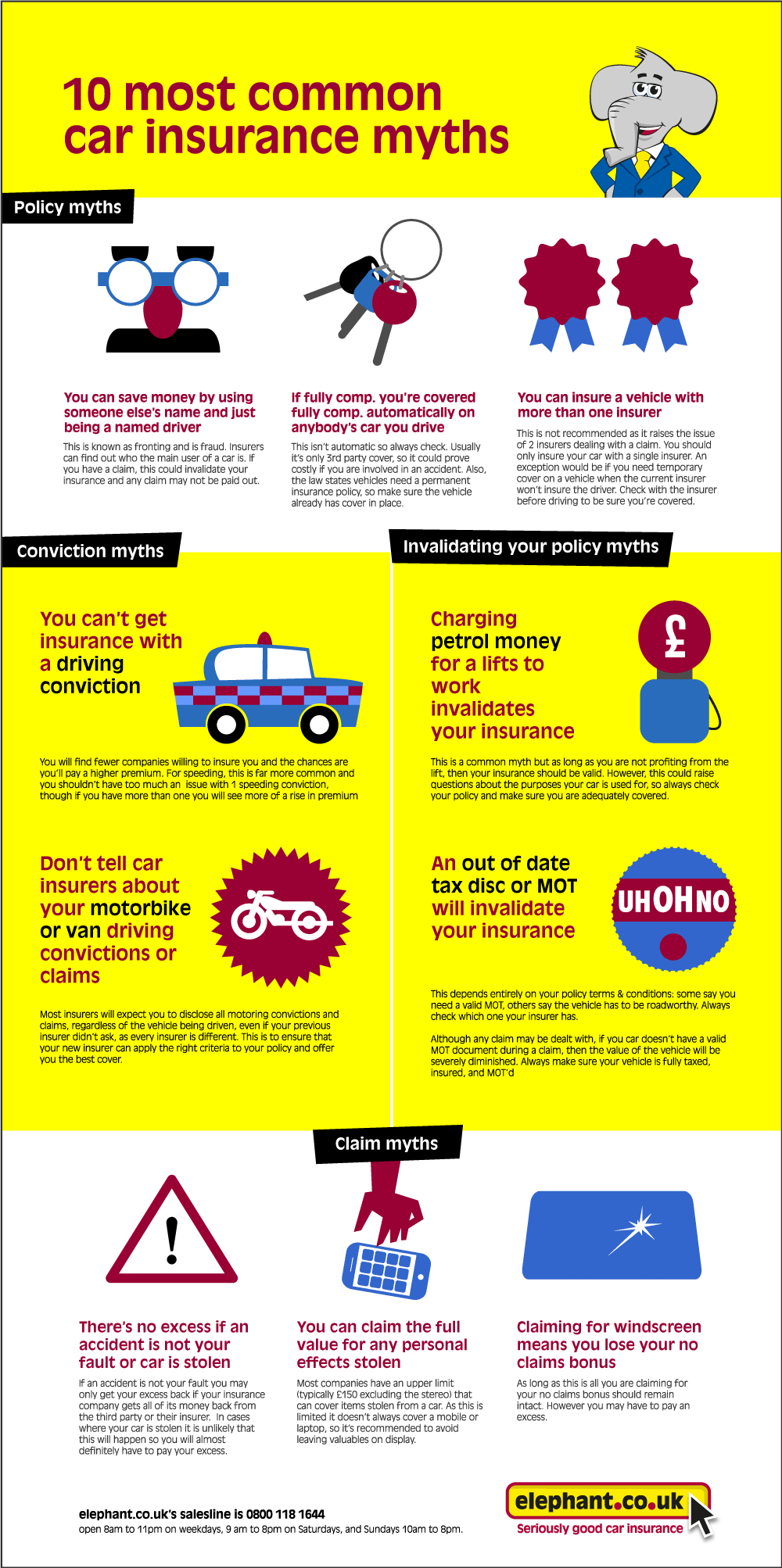
The 10 Most Common Car Insurance Myths: An Infographic


Dealing with car insurance can be a tricky thing at best and a hassle at worse. The matter is made harder by the number of misconceptions and outright myths that exist in our minds.

Having the right facts about car insurance is very important and can make the difference between whether you’re obeying the law or committing fraud. Check out this sweet infographic and quiz yourself - what car insurance myths did you believe on this list?

Click the image to view a larger version!

Thursday, April 11, 2013

Sharing The Road With Cyclists


Did you know that about 30% of the American population owns a bicycle? That means there are a lot of potential cyclists that drivers need to watch for, especially with warmer weather approaching. In order to do this, it’s important that both drivers and cyclists understand the rules of sharing the road.

A few tricks to keep in mind:

●You look for pedestrians when you’re making a turn, right? Why not take a couple of seconds longer to look for a cyclist? The rider has the right of way if he’s going straight and you’re turning right.
●A little patience could save your life. Wait to pass that cyclist until you have a clear view ahead and are sure there’s no oncoming traffic.
●Riders are supposed to stay to the right. Drivers are supposed to stay well clear of them. By law in Maryland and several other states, drivers must stay three feet from a cyclist. Don’t expect to see cops out there with a yardstick, but if you cause a crash, you could be charged with a three-foot violation.

Read more about what drivers should know about sharing the road in this great Washington Post article: http://bit.ly/10yX1LZ

Thursday, April 4, 2013

The 2014 Jeep Cherokee


There has been a whole lot of hub-bub about the new 2014 Jeep Cherokee. People seem to miss the old look and feel of the classic Jeep Cherokee XJ, but maybe it’s time to let go of a classic and try something new. After all, welcoming the new can be refreshing, surprisingly fun and ever, well... fuel efficient. This article explains the 6 reasons why the new 2014 Jeep Cherokee is better than the XJ.

Twitter Delicious Facebook Digg Stumbleupon Favorites More